
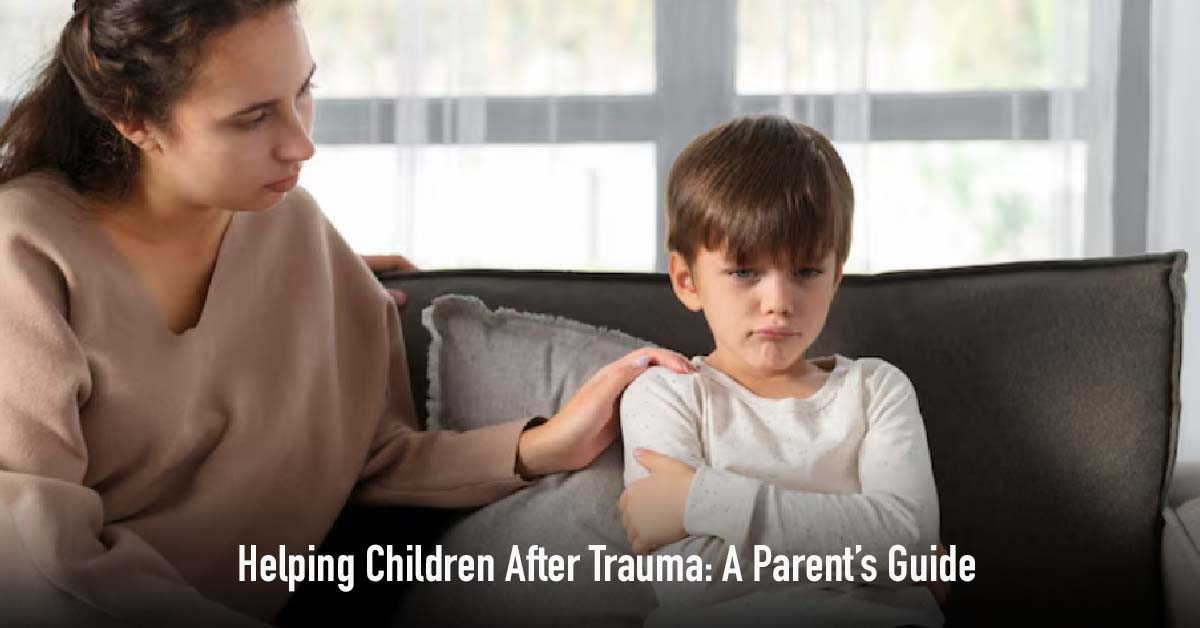
Helping Children After Trauma: A Parent’s Guide

Watching your child struggle after a traumatic event can feel like trying to catch a cloud with your bare hands. Emotions can flip in a heartbeat. Anger, fear, sadness, or confusion may show up out of nowhere. As a parent, you might feel lost or powerless. But there’s good news. With the right approach and trauma support, you can help your child feel safe and understood, and start healing.

How Do Children React After Trauma?

Children after trauma often show it in ways adults don’t expect. Some cry or cling more than usual. Others act out, throw tantrums, or withdraw from family and friends. Sleep problems, nightmares, or changes in appetite are common.

Younger kids may struggle to put feelings into words. Older children might seem defiant, angry, or withdrawn. Knowing these signs helps you respond with patience and care, not frustration.

How Can Parents Provide Immediate Support?

Creating a safe, predictable environment matters. Kids need to feel the world isn’t spinning out of control. Consistent routines, clear rules, and emotional availability go a long way.  Listening, validating feelings, and showing comfort can work wonders.

Here are some simple ways to support children after trauma:

  • Speak in a calm tone, even when things get tense
  • Offer hugs or gentle touches if welcomed
  • Give choices to restore a sense of control

Even small gestures help your child feel grounded.

When Should You Seek Professional Help?

Some kids recover naturally with family support. Others need professional help. Watch for these signs:

  • Nightmares or flashbacks that persist
  • Severe anxiety or panic attacks
  • Mood swings or aggressive behavior
  • Trouble at school or with friends
  • Avoiding activities they used to enjoy

Getting trauma support early can prevent long-term effects. Child trauma specialists provide tools tailored to your child’s age and needs.

What Types of Therapy Help Children After Trauma?

Several therapies help kids process trauma safely:

  • Play Therapy: Younger kids express feelings through play rather than words
  • Cognitive Behavioral Therapy (CBT): Helps kids spot thought patterns that fuel anxiety and teaches coping skills
  • Trauma-Focused CBT (TF-CBT): A CBT version specifically for trauma survivors
  • EMDR Therapy: Helps the brain process traumatic memories and reduce emotional triggers

Therapists often mix approaches based on your child’s needs.

How Can Parents Support Therapy at Home?

Therapy works best with consistent home support. Parents can:

  • Encourage kids to express feelings through talking, drawing, or journaling
  • Practice coping skills learned in therapy
  • Maintain routines for meals, sleep, and school
  • Spot triggers and redirect calmly when needed
  • Celebrate small wins and progress

These actions help kids feel safe and build confidence in handling emotions.

How Long Does Healing Take?

Every child heals at their own pace. Some bounce back quickly. Others need months or even longer. The key is patience, consistency, and professional guidance. Recovery is rarely a straight line. There will be ups and downs, and occasional setbacks don’t mean failure.

FAQs

  1. Can young children remember trauma clearly?
    Yes and no. They may not have words for what happened, but behavior and body responses often reveal memories.
  2. Is it normal for kids to act out months after trauma?
    Absolutely. Emotional and behavioral responses can appear long after the event. Continued support is crucial.
  3. Can parents interfere with therapy?
    Parents play a big role, but therapy should remain a safe space. Work with the therapist to support progress at home.
  4. How can I talk about trauma without scaring my child?
    Keep it simple. Answer questions honestly. Focus on safety and reassurance.
  5. When should I seek extra help?
    If symptoms persist, worsen, or interfere with daily life, professional intervention is essential. Early help prevents long-term effects.

Final Thought

Helping children after trauma is challenging but rewarding. Combining a safe home environment, emotional support, and professional therapy allows kids to process feelings and regain confidence. Recovery is a journey. Every step, even small ones, matters.

If your child needs expert care, reach out to Atx Trauma Therapy Center. Their team provides tailored trauma support for children after trauma, guiding families through therapy with compassion, practical strategies, and care. Book a session today to help your child feel safe, regain control, and start enjoying life again.


 

What to Expect in Your First Trauma Therapy Session

Walking into therapy for the first time can feel like stepping into a maze blindfolded. Your mind races. Will it hurt? Will you break down? Will anyone understand the stuff you’ve been carrying for years? For many, a trauma therapy session can feel scary. But knowing what’s coming can take a lot of the edge off. Let’s break it down.

What Happens During Your First Trauma Therapy Session?

The first session isn’t about diving headfirst into your deepest pain. Think of it as a meet-and-greet with your feelings and your therapist. You’ll talk about your history, what’s been tough, and what led you here. The therapist will ask questions to get a full picture.

This session sets the tone. It’s about trust, safety, and understanding. You don’t have to spill everything at once. Therapy is a marathon, not a sprint.

How Will Your Therapist Guide You?

A good therapist will walk you through what trauma therapy looks like and how sessions usually go. They’ll explain the techniques they use, from talk therapy to EMDR or other approaches. Understanding the process helps you feel grounded instead of lost.

During your first session, you can expect discussions about:

  • How do you cope with stress or triggers
  • What makes you feel safe or unsafe
  • Your trauma history and mental health background
  • Goals you want to reach in therapy

These conversations help the therapist plan sessions that work for you.

What Should You Bring to the Session?

You don’t need a fancy notebook or perfect words. Bring yourself, honesty, and a willingness to engage. Some people find it helpful to jot down notes about triggers, symptoms, or questions. Consider bringing:

  • A list of any medications or mental health treatments
  • Notes about experiences you want to discuss
  • Questions about therapy techniques or session frequency

Being prepared helps a trauma therapy session feel less intimidating and more productive.

How Will You Feel During and After the Session?

Expect mixed emotions. You might feel relief, anxiety, or even drained. Processing trauma isn’t easy. The first session often brings up feelings you’ve tucked away for years. That’s normal.

A skilled therapist will help you feel grounded. They might show breathing techniques, mindfulness tricks, or other ways to calm your mind. This keeps you stable and ready to step back into the world after the session.

How Often Should You Come to Sessions?

It depends on your needs. Some start weekly. Others go every two weeks. For deep trauma, more consistent sessions help keep momentum. It’s a partnership—you and your therapist decide what feels right. Regular attendance helps build real change.

What Are the Goals of Your First Session?

The first session usually focuses on:

  • Making you feel safe and heard
  • Learning about your story and your needs
  • Setting goals and expectations for therapy
  • Introducing basic skills to manage stress and triggers

Think of this session as laying the foundation. The heavy lifting comes later once trust is built.

How Can You Make the Most of Your First Session?

Here are some tips to get the most out of your first session:

  • Be honest about your feelings and goals
  • Ask questions if something doesn’t make sense
  • Practice grounding exercises before and after the session
  • Keep a journal of thoughts or emotions that come up
  • Give yourself credit for showing up; it’s a big deal

These small steps help you get comfortable and get more from your sessions.

FAQs
1. Will I have to talk about all my trauma right away?

Nope. Share what feels safe. Therapy moves at your pace.

  1. How long does the first session last?
    Usually 60–90 minutes. Plenty of time to go over your story, goals, and next steps.
  2. Can I cry or get emotional?
    Absolutely. Emotions are part of the process. A therapist creates a safe space for them.
  3. Is trauma therapy only for extreme cases?
    Not at all. Therapy helps anyone who wants support with trauma, no matter the severity.
  4. What if I feel nervous or anxious?
    That’s totally normal. Tell your therapist. They’ll help you feel grounded and safe.

Final Thought

Walking into a trauma therapy session for the first time can feel scary. The first session is about safety, trust, and understanding. Progress doesn’t happen overnight, but every session moves you closer to feeling free from the weight of your past.

If you’re ready to take that first step, reach out to Atx Trauma Therapy Center. Their team helps survivors of trauma feel safe, heard, and supported. With personalized guidance and caring experts, you can start building skills, processing past wounds, and taking control of your healing journey. Book your first session today and start moving from surviving to thriving.

Is EMDR Right for You? A Practical Guide for Complex Trauma Survivors

Healing from trauma can feel like carrying a backpack full of bricks. Emotions hit like a ton of bricks. And some days, just getting through the morning feels impossible. For people living with complex trauma, finding a therapy that actually works can be a game-changer. One approach gaining attention is EMDR therapy. But how do you know if it’s right for you? Let’s dig in.

What Exactly Is EMDR Therapy?

Basically, it’s a way to help your brain deal with traumatic memories so they stop hijacking your emotions. During sessions, a therapist guides you through eye movements, taps, or sounds while you think about stressful events. The goal isn’t to erase the past. It’s to help your brain store memories in a way that doesn’t send you into panic mode.

People with complex trauma often see big shifts with EMDR. Anxiety, flashbacks, and intrusive thoughts can start fading. Compared to traditional talk therapy, it works on how the brain naturally heals itself, often giving faster relief.

Who Can Benefit From EMDR Therapy?

EMDR isn’t a one-size-fits-all fix. It works best if you’re ready to face your trauma in a safe, guided space. It might help if you:

  • Deal with complex trauma symptoms like hypervigilance, emotional numbness, or chronic anxiety.
  • Keep getting stuck in fear loops or avoidance patterns.
  • Tried talk therapy, but still get blindsided by painful memories or triggers.

Having a licensed therapist with trauma experience is key. For folks with long-term or repeated trauma, EMDR can be a game-changer, but pacing is everything.

How Does EMDR Work for Complex Trauma?

Complex trauma isn’t just one bad event. It can build up over years from abuse, neglect, or repeated violence. EMDR tackles it step by step:

  • Focuses on one memory at a time.
  • Helps your brain store those memories differently so they lose their emotional punch.
  • Builds skills to handle triggers in real life.

Over time, survivors often feel calmer, more in control, and less haunted by past experiences. EMDR doesn’t magically erase trauma, but it can make life feel a whole lot lighter.

What Happens in a Typical Session?

You won’t be left to relive trauma alone. A session usually looks like this:

  • Chatting with your therapist to pick the memory or feeling to work on.
  • Learning ways to calm your mind if emotions spike.
  • Following eye movements, taps, or sounds while focusing on the memory.
  • Checking in about new thoughts or feelings that come up.

Sessions usually run 60–90 minutes. Progress can be slow at first, but each session adds a little more freedom from your past.

How Do You Know EMDR Is Right for You?

Ask yourself:

  • Do old memories pop up and mess with daily life?
  • Do you freeze, get anxious, or feel angry thinking about past trauma?
  • Can you handle tough emotions with professional support?
  • Do you want real healing, not just coping?

If most answers are “yes,” EMDR could be worth a shot.

What Challenges Might You Face?

EMDR is generally safe, but trauma work isn’t always easy. You might feel strong emotions, have restless sleep, or get triggered after a session. That’s normal. The key is having a skilled therapist to guide you.

For complex trauma survivors, support and pacing are everything. Don’t try to rush it.

Why Prep and Support Matter

EMDR works best with backup. Survivors often benefit from:

  • Grounding techniques to stay present.
  • Daily routines that include sleep, food, and movement.
  • Friends, family, or support groups.
  • Combining therapy approaches to address complex trauma.

These steps help prevent feeling overwhelmed and improve long-term results.

FAQs

  1. Can EMDR “cure” complex trauma?
    No therapy can erase memories. EMDR helps you process them and take back control over your emotions.
  2. How long does EMDR take?
    It depends. Some feel relief after a few sessions, while complex trauma may take months.
  3. Will EMDR be painful or triggering?
    It can bring up strong feelings. A trained therapist keeps you safe and helps manage them.
  4. Can EMDR be combined with other therapies?
    Absolutely. Many combine it with talk therapy, mindfulness, or somatic approaches for better results.
  5. Who should skip EMDR?
    People in mental health crisis or with certain medical conditions should consult a professional first. Therapy can then be tailored safely.

Final Thought

Healing from complex trauma is messy, confusing, and sometimes exhausting. EMDR therapy gives you a chance to untangle those painful memories and finally feel some peace. It doesn’t erase the past, but it can make it stop running your life.

If you’re ready to explore EMDR in a safe, supportive space, reach out to Atx Trauma Therapy Center. Their team specializes in helping survivors of complex trauma work through deep-seated pain, build resilience, and take back control over daily life. Book a session today and start moving from surviving to thriving.

Book an Appointment