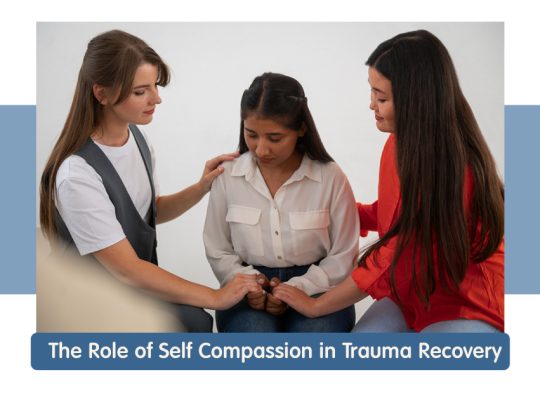
Some experiences from childhood stick with us much longer than we expect. You grow up, build a career, start relationships, and try to move forward. Yet certain feelings or reactions show up again and again. Maybe you get anxious when someone raises their voice. Maybe you shut down when arguments start. Or maybe relationship trust feels harder than it should. These reactions often trace back to the deeper impact of the childhood trauma effect, even when life looks calm on the outside.
Trauma shapes the way we connect, communicate, and protect ourselves. And while many people try to push through alone, healing becomes far more possible with skilled, compassionate support. That’s why so many people choose the Atx trauma therapy center, where trauma-focused care actually helps clients understand their past and build healthier futures.
Understanding How Early Trauma Shapes the Adult Mind
The brain learns patterns early. If you grew up with chaos, fear, or emotional neglect, your nervous system learned to survive, not relax. Even years later, the mind may act like danger is still around. That’s the power of the childhood trauma effect. It can stay hidden until stress, conflict, or intimacy activates old wounds.
These reactions aren’t character flaws. But as an adult, they can complicate relationships, communication, and emotional stability.
Emotional Patterns That Carry Into Adulthood
1. Difficulty Trusting Others
One of the biggest ways trauma shows up is through trust. Building relationship trust may feel risky or uncomfortable. You might expect others to hurt you, leave you, or let you down.
Common signs include:
- Doubting people even when they’re consistent
- Feeling unsafe opening up
- Expecting betrayal
- Pulling away during conflict
These patterns stem from early experiences, not present reality. And with the right therapeutic support, trust can be rebuilt.
2. Fear of Conflict or Emotional Expression
Many adults who lived through early trauma learned to stay quiet, avoid conflict, or hide their emotions. They learned that acting small was safer.
You may notice:
- Trouble expressing needs
- Shutting down during arguments
- Difficulty speaking up
- Fear of disappointing others
These responses are part of the childhood trauma effect, and they often impact how couples communicate. But therapy gives people tools to break these cycles gently and safely.
3. Overreacting to Stress or Tension
Trauma keeps the nervous system on high alert. Even small stressors can feel overwhelming.
This may look like:
- Getting anxious fast
- Feeling defensive
- Overthinking everything
- Struggling to relax
Long-term trauma trains the body to protect itself constantly. But with real trauma therapy, the nervous system can learn a different rhythm.
4. Attachment Patterns Rooted in Early Experiences
Childhood shapes how we relate to closeness. Some people become clingy. Others keep their distance. Some bounce between both.
Trauma can lead to:
- Avoidant attachment tendencies
- Fear of abandonment
- Overdependence
- Difficulty feeling secure in relationships
These attachment responses make relationship trust feel like a challenge, but they can be reshaped with the right guidance.
How Trauma Impacts Adult Relationships
Relationships require vulnerability, communication, and emotional presence. Trauma complicates all three.
Here’s how the childhood trauma effect often shows up in adult connections:
- Struggles with emotional closeness
- Difficulty believing others’ intentions
- Fear of love, commitment, or intimacy
- Trouble with boundaries
- Patterns of choosing unhealthy partners
These aren’t choices. They’re old wounds resurfacing. And this is exactly why so many people turn to professionals who understand trauma deeply. At places like the Atx trauma therapy center, clients get support that helps them rewrite these patterns for good.
Why Trauma-Focused Therapy Matters
Healing long-term trauma isn’t something you figure out alone. The pain sits deep in places you can’t reach by willpower. Effective trauma therapy helps bring clarity, stability, and emotional balance back into your life.
This is where the Atx trauma therapy center stands out. Their clinicians guide clients with evidence-based practices, compassion, and a clear understanding of how trauma shapes behavior. They help untangle old patterns without judgment. And slowly, clients begin to feel safer, more confident, and more connected both to themselves and to the people they love.
You don’t have to keep repeating the same emotional cycles. Healing is possible. Better relationships are possible. And trust true relationship trust can grow again with the right support.
FAQs
1. Can childhood trauma really affect adult relationships?
Yes. The childhood trauma effect influences emotional responses, communication patterns, and the way adults build connections.
2. Why is trusting others so hard after trauma?
Past wounds can make relationship trust feel unsafe, even when current relationships are healthy.
3. Can trauma responses show up years later?
Absolutely. Many adults don’t notice the impact until they face stress, intimacy, or major life changes.
4. Is trauma therapy helpful for long-term wounds?
Yes. Trauma-focused therapy helps unpack emotional patterns and build healthier ways of relating.
5. Can adults heal from childhood trauma?
Yes. With the right support, the childhood trauma effect can be reduced and replaced with healthier patterns.
Ready to Break Old Patterns and Build Stronger Relationships?
Your past doesn’t have to control your present. You can heal, grow, and learn a healthier way to connect. Reach out to Atx trauma therapy center today and start building the life and relationships you truly deserve.